Untitled Wood Type: A Serif with a Story to Tell
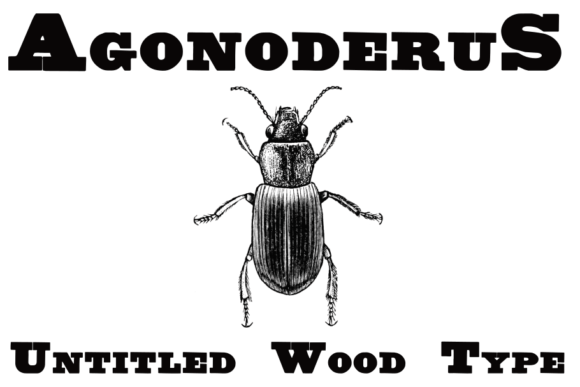
There's a particular kind of character you find in old woodblock prints and vintage posters—the kind of typography that feels like it has weight, history, and a voice of its own. Untitled Wood Type captures that feeling precisely. It's not just a serif font; it's a display font with personality, designed to bring a sense of heritage and craftsmanship to modern projects. The ornate details, pronounced serifs, and subtle flourishes make it a standout choice when you need type that does more than just convey words.
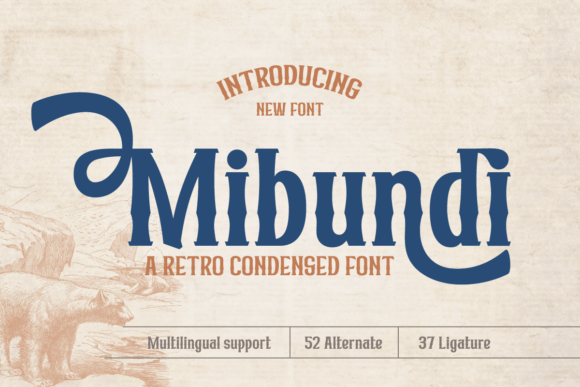
Unlike clean, geometric modern typography, Untitled Wood Type embraces imperfection and texture. Each letterform carries a sense of handcrafted authority, reminiscent of 19th-century wood type specimens. This isn't a font for body text on a website or a corporate report. It's a creative font built for moments that demand attention—headlines, logos, packaging, and display settings where its intricate details can truly breathe.
Where This Font Makes an Impact
Think about projects where atmosphere and authenticity matter. Untitled Wood Type thrives in contexts like museum exhibits, historical documentaries, educational materials about craft or industrial heritage, and period-themed publications. It's equally at home in packaging design for artisanal goods—think small-batch coffee, craft whiskey, or handmade leather goods. The font's aesthetic suggests quality, tradition, and a story worth telling.
For brand identity, it can be a powerful asset for businesses that want to communicate longevity or artisanal values. A logo design using Untitled Wood Type immediately sets a tone of heritage and reliability. It works beautifully for boutique hotels, heritage brands, independent bookshops, or any business with a narrative rooted in history. In editorial design, it's perfect for chapter headings in historical fiction, magazine features on vintage culture, or social media graphics promoting events with a retro theme.
Practical Guidance for Using Untitled Wood Type
Choosing a premium font like this is about more than just liking how it looks. Here’s how to evaluate if it fits your project and use it effectively:
Evaluate the Project's Tone. Does your project call for a sense of history, craftsmanship, or rugged elegance? If you're designing for a tech startup or a minimalist brand, this font will feel out of place. But for a packaging design for organic products or a poster for a folk music festival, it's an ideal match.
Master the Font Pairing. Because Untitled Wood Type is so distinctive, pairing it requires thought. It generally works best with a clean, simple sans serif font or a straightforward script font for contrast. Avoid pairing it with other ornate typefaces. Use it for headlines or key phrases, and let a more neutral font handle supporting text to maintain visual hierarchy and readability.
Test at the Right Size. This is a display font—its details get lost at small sizes. Always test it at the scale you intend to use it. In web design, ensure it renders clearly on various screens. For print, check proofs carefully, as the fine serifs and flourishes need precise reproduction.
Consider the Commercial License. If you're using it for client work, merchandise, or anything that generates revenue, confirm you have the appropriate commercial font license. This is a standard part of using professional design assets.
Explore Included Styles. Check if the typeface comes with different weights or stylistic alternates. These variations can add flexibility, allowing you to create emphasis and hierarchy within your typographic system while maintaining a consistent aesthetic.
Beyond the Obvious: Creative Applications
While its historical roots are clear, don't limit your thinking. Untitled Wood Type can add unexpected depth to contemporary projects. Imagine it in a web design header for a documentary podcast, creating an immediate sense of gravity. Or use it in social media graphics for a series on "forgotten crafts," where the font itself becomes part of the visual storytelling. It can lend a powerful, authoritative feel to event branding for conferences on history, literature, or design.
For entrepreneurs and small business owners, it's a tool for differentiation. In a market saturated with sleek, digital-first typeface choices, a font with this much character makes a brand memorable. It tells customers you value substance and story, not just trends.
Ultimately, Untitled Wood Type is more than a design asset