Authentic Character: Working with Typewriter Font Embroidery Design
There is a distinct nostalgia attached to the mechanical clatter of a typewriter. It evokes an era of serious journalism, heartfelt personal letters, and draft manuscripts that eventually became classics. Translating that raw, mechanical texture into a tactile medium like fabric requires a specific kind of digital craftsmanship. The Typewriter Font Embroidery Design is not just a collection of letters; it is a bridge between vintage aesthetic and modern machine precision. For designers, crafters, and entrepreneurs, this font offers a way to inject personality into textiles without sacrificing the clarity required for professional branding.
Visual Anatomy: Texture Over Perfection
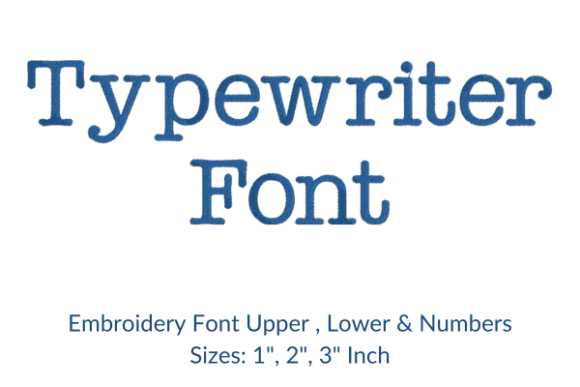
The defining characteristic of this typeface is its deliberate imperfection. In the world of modern typography, we often seek vector-perfect curves and mathematical symmetry. However, the Typewriter Font Embroidery Design flips that convention on its head. It embraces the "strike" aesthetic—the idea that a metal key has physically impacted the fabric. This creates a visual texture that feels organic and human.
Unlike a standard sans serif font which relies on clean geometry, or a script font that mimics fluid cursive, this typewriter style relies on weight and grit. The serifs are present but utilitarian, often blocky and slab-like, designed for function rather than ornamentation. This makes it a unique category of display font that commands attention through its structural solidity. When digitized for embroidery, the stitch density is usually calibrated to mimic the uneven ink distribution of a typewriter ribbon. This results in a finish that looks authentic rather than artificially smooth.
Practical Applications Across Industries
Understanding where to deploy this font is just as important as the design itself. Because of its strong visual personality, the Typewriter Font Embroidery Design serves specific functions exceptionally well across various creative fields.
- Brand Identity and Packaging: For small business owners creating artisanal goods—think small-batch coffee, handmade leather journals, or apothecary items—this font anchors the brand in authenticity. It suggests a story behind the product. Using it on canvas tote bags or cotton labels adds a layer of tactile depth that a modern typography sans serif font might lack.
- Editorial and Publishing: If you are a publisher or content creator producing merchandise for a literary audience, this font is a natural fit. It works beautifully for book-themed apparel or tote bags meant for book signings. It aligns with the literary world, making it a superior choice over a standard serif font for this specific niche.
- Marketing and Social Media: In a digital landscape dominated by hyper-polished graphics, the rugged look of typewriter embroidery stands out. It is excellent for creating physical props for social media content, such as branded patches or backdrops. The font translates well into social media graphics when used on mockups, providing a "lived-in" feel that resonates with audiences tired of overly curated perfection.
Technical Execution and File Utility
A premium font is defined by its versatility and the quality of its engineering. This Typewriter Font Embroidery Design is built for utility. It is not a static image but a functional design asset provided in multiple machine embroidery formats. This ensures compatibility across different hardware, from high-end industrial machines to popular home models.
When working with this file, pay close attention to the stitch summary provided. The data regarding "A" and "a" serves as a baseline for density. However, the full set includes 174 characters. This extensive library is crucial for professional work. It means you aren't limited to basic names; you can execute complex quotes, dates, and even foreign phrases without running into missing glyphs. Always consult the PDF specification sheet included in the download. This document details the exact dimensions for every character, allowing you to plan your layout with precision before you begin the stitching process.
Strategic Font Pairing
One of the most common mistakes in logo design and packaging design is isolation—using a strong display typeface without a supporting cast. The Typewriter Font Embroidery Design has a high "visual voice," meaning it is loud and distinct. To maintain visual hierarchy and readability, you must pair it with something quieter.
Avoid pairing it with other display fonts, handwritten fonts, or ornate script fonts. The visual noise would be overwhelming. Instead, look for a neutral, geometric sans serif font for supporting text. For example, if you are embroidering a logo where the brand name is in the typewriter style, the tagline underneath should be in a clean, light-weight sans-serif. This contrast allows the typewriter texture to shine without muddying the message. This principle of contrast is fundamental to brand identity consistency.
Readability and Sizing Considerations
While the typewriter aesthetic is charming, it presents specific challenges regarding readability at small scales. The mechanical nature of the design means there are inherent "gaps" in the ink simulation. At very small embroidery sizes—such as on a narrow shirt cuff or the back of a baseball cap—these gaps can cause letters to bleed together or lose definition.
It is recommended to use this font for medium to large applications. Think jacket backs, chest pieces, or large tote bag prints. If you must use it for smaller items, consider using the uppercase set exclusively, as the capital letters in a typewriter typeface usually have a stronger stroke width than the lowercase counterparts. Always run a test stitch on a scrap piece of fabric that matches your final product. The interaction between the thread tension and the fabric weave can drastically alter how the "typewriter" effect looks.
Commercial Viability
For entrepreneurs and marketers, the value of a commercial font lies in its licensing and exclusivity. This embroidery set is designed for commercial use, meaning you can legally use it to create products for sale. This is a critical distinction from free fonts found online, which often carry restrictions that can jeopardize a business later on.
Using a recognized, high-quality creative font also elevates the perceived value of your product. In the crowded market of web design and e-commerce, details matter. A customer can visually distinguish between a cheap, auto-digitized font and a professionally crafted embroidery design. By investing in a premium font like this typewriter set, you are investing in the longevity and professionalism of your brand's physical assets.
Conclusion
The Typewriter Font Embroidery Design is more than just a nostalgic throwback; it is a versatile tool for modern creators. It bridges the gap between the digital and the tactile, offering a way to add human warmth to machine-made products. Whether you are designing merchandise for a literary blog, labeling products for a craft business, or creating unique gifts, this font provides the character and technical reliability needed to get the job done right. By respecting its visual weight and pairing it wisely, you can transform ordinary fabric into a compelling piece of communication.